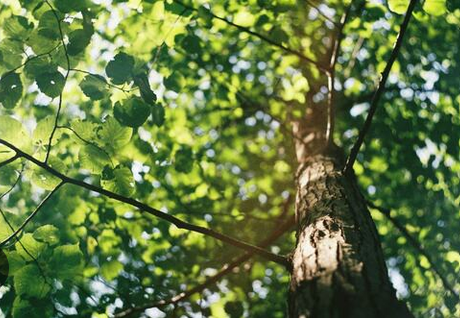
Trees are an essential part of the natural environment and provide numerous benefits to people, animals, and surrounding ecosystems. They improve air quality, absorb carbon dioxide, provide shade, and help regulate environmental temperatures. They also protect soil, support biodiversity, and enhance the appearance of residential and commercial landscapes. Despite their importance, trees are exposed to several challenges, including extreme temperatures, poor soil conditions, water shortages, insects, and diseases. Proper maintenance and preventive care can help trees overcome these challenges and maintain healthy growth for many years.
1. Understand the Importance of Preventive Tree Care
Preventive maintenance helps identify potential problems before they become serious. Regularly inspect trees for damaged branches, unusual leaf conditions, bark injuries, and signs of decay. Monitor changes in growth and examine the surrounding soil. Early identification allows property owners to make informed decisions and avoid unnecessary treatments.
2. Improve Tree Establishment After Planting
The first few years after planting are important for successful tree establishment. Young trees need appropriate watering, suitable soil conditions, and protection from physical damage. Maintain the correct planting depth and ensure that the root flare remains visible. Avoid excessive fertilizer applications during establishment unless specific soil conditions indicate a need.
3. Maintain Healthy Soil Moisture
Soil moisture influences root activity, nutrient absorption, and overall tree development. Both drought and waterlogging can negatively affect tree health. Check soil moisture before irrigation and adjust watering according to rainfall and seasonal temperatures. Organic mulch can help maintain moisture and reduce sudden changes in soil temperature.
4. Encourage Natural Soil Improvement
Healthy soil contains organic matter, minerals, air, water, and beneficial microorganisms. Compost and decomposed leaves can improve soil structure and encourage natural nutrient cycling. Avoid excessive soil disturbance around mature trees because it can damage important roots. Soil testing can help identify whether additional nutrients or other improvements are required.
5. Maintain Proper Branch Structure
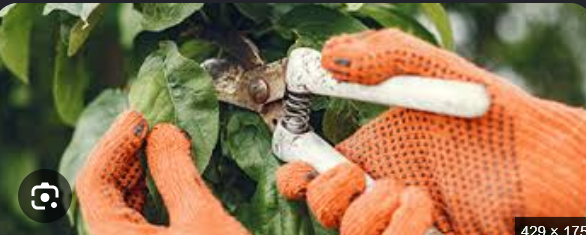
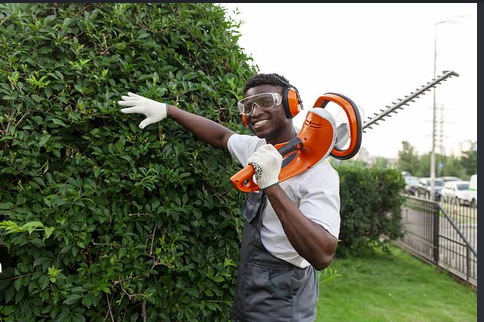
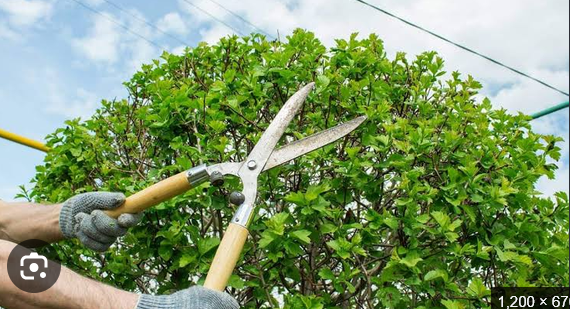
Strong branch structure contributes to tree stability and long-term health. Inspect the canopy for dead branches, weak connections, crossing limbs, and visible damage. Selective pruning can improve structure and remove hazardous growth. Avoid excessive cutting, topping, or removing large amounts of healthy foliage. Complex pruning should be handled by trained arborists.
6. Protect Trees Against Fungal Problems
Fungal diseases can affect tree leaves, branches, bark, and roots. Some infections develop in conditions involving excessive moisture, poor airflow, or damaged plant tissues. Look for unusual spots, discolored foliage, fungal growth, and branch dieback. Identify the actual cause before selecting treatment because not every fungal-looking symptom requires the same solution.
7. Reduce Environmental Stress in Urban Areas
Urban trees often face limited root space, air pollution, construction activities, and compacted soil. These conditions can restrict natural development and increase vulnerability to environmental stress. Provide sufficient planting space, protect root zones, and select species suited to local conditions. Regular inspections can help identify problems before they become severe.
8. Maintain Trees During Heatwaves
High temperatures can increase water loss and place additional pressure on trees. Young and newly planted trees may be particularly vulnerable. Monitor soil moisture, maintain suitable mulch coverage, and provide irrigation when necessary. Avoid unnecessary pruning during periods of extreme heat because additional stress may interfere with recovery.
9. Develop an Integrated Tree Health Program
An integrated tree health program combines regular inspections, suitable irrigation, soil improvement, structural maintenance, and responsible pest management. Each activity should address an identified requirement rather than follow unnecessary treatments. Keeping maintenance records helps evaluate results and improve future decisions.
10. Invest in Tree Preservation Education
Environmental education helps people understand the importance of maintaining healthy trees. Homeowners, gardening professionals, students, and businesses can benefit from learning about proper planting, root protection, disease identification, and sustainable irrigation. Community workshops and tree-planting initiatives can encourage greater participation in environmental protection.
Conclusion
Holistic tree maintenance involves understanding the needs of individual trees and providing suitable care throughout their lives. Preventive inspections, healthy soil, balanced irrigation, careful pruning, and environmentally responsible pest management all contribute to stronger growth. By protecting trees from environmental stress and encouraging sustainable maintenance practices, we can preserve natural beauty, support biodiversity, and create healthier outdoor environments for future generations.